iPhone 18 Pro / Pro Max just landed. Limited stock. Order yours from £46/month >
iPhone 18 pre-order


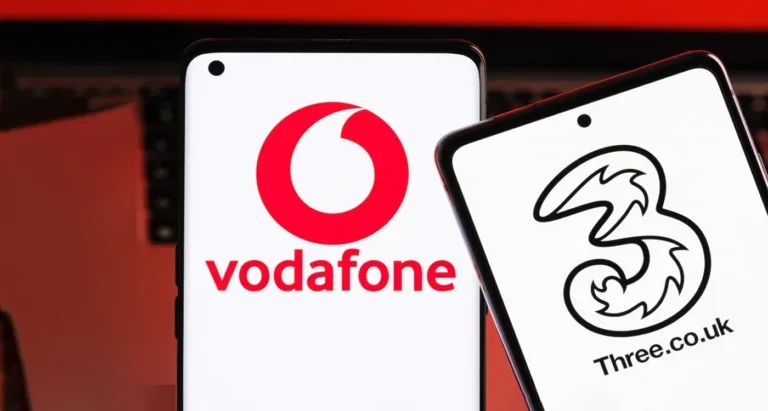







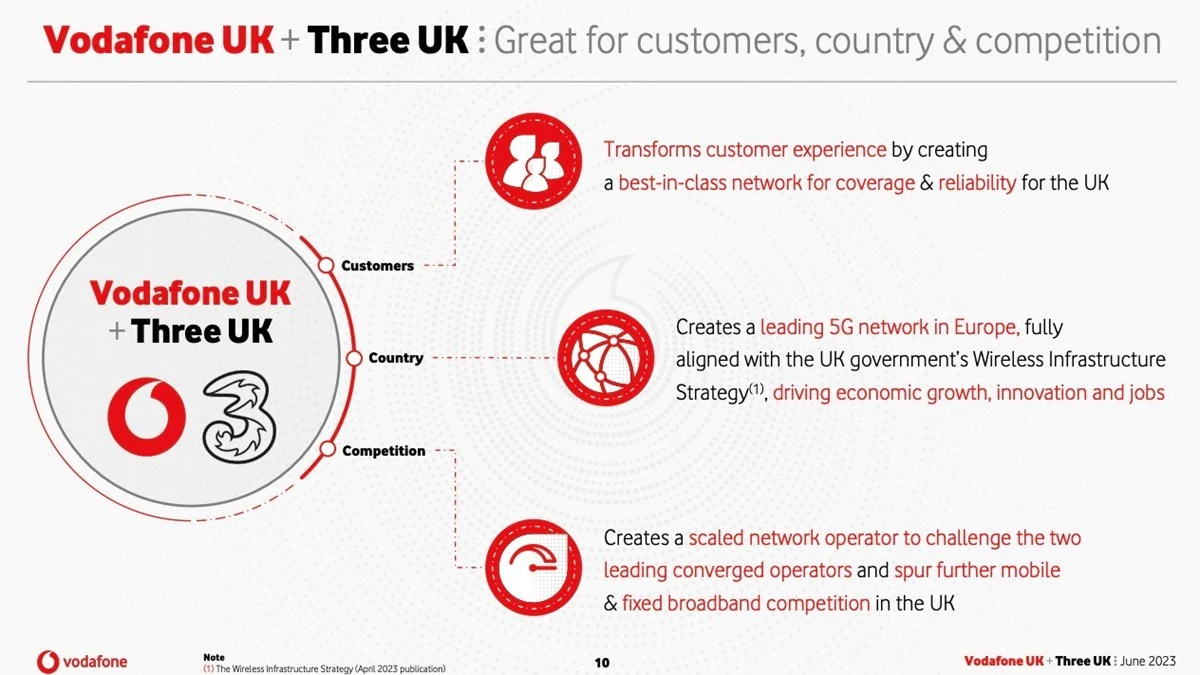
The long-awaited merger between Vodafone UK and Three UK has finally been completed, creating a new telecoms giant set to challenge EE and Virgin Media O2 for dominance of the British mobile market. The new company, now trading as VodafoneThree, combines more than 27 million customers valued at £15 billion and over 11,500 staff. They have pledged to continue to invest billions in building the UK’s digital future.
This change comes with its own set of pros & cons, with the two networks claiming that it’s great for customers and the nation. On the other hand, the “Unite” trade union claimed that this could cause mobile bills to rise by up to £300. Despite this, representatives discussing the Vodafone and Three merger insisted that this will not increase prices for customers. So, let’s see if they stuck to their word…
Talks between Vodafone and Three’s parent company, CK Hutchison, had been ongoing for years. In May 2025 the companies announced that the transaction had closed, with Vodafone taking a 51% stake and Hutchison holding the remaining 49%.
The deal was valued at around £15 billion and followed an extensive review by the Competition and Markets Authority (CMA), which was responsible for assessing the potential implications of the merger. Regulators ultimately gave the green light after extracting promises of significant investment and commitments to maintain fair competition.
The newly combined business has pledged to invest £11 billion over the next ten years in the UK’s network, with £1.3 billion earmarked for the first year alone. Executives say the merger will allow them to accelerate 5G rollout, improve rural coverage, and strengthen reliability for households and businesses.
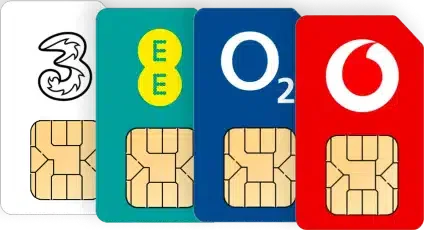
By pooling infrastructure, spectrum and technical expertise, VodafoneThree claims it can deliver faster speeds and better connectivity nationwide. The company insists that this scale will enable it to compete more effectively with EE and Virgin Media O2, offering customers greater choice and innovation.

Both carriers have high hopes following the Vodafone Three merger, including a “best-in-class” 5G network within the next 10 years. This will result in up to 6x faster average network speeds and 2.5x the capacity of their current network.
Another aim is 99% of the UK population covered by their standalone 5G network by 2034, alongside every school & hospital nationwide by 2030. They claim that all this gives customers better value, a wider range of choice over plans, and a better home broadband experience.
Representatives claim that the Vodafone and Three merger will be good for competition, who will be motivated to upgrade their services faster than ever. They will be forced to follow suit and offer similar value to their customers.
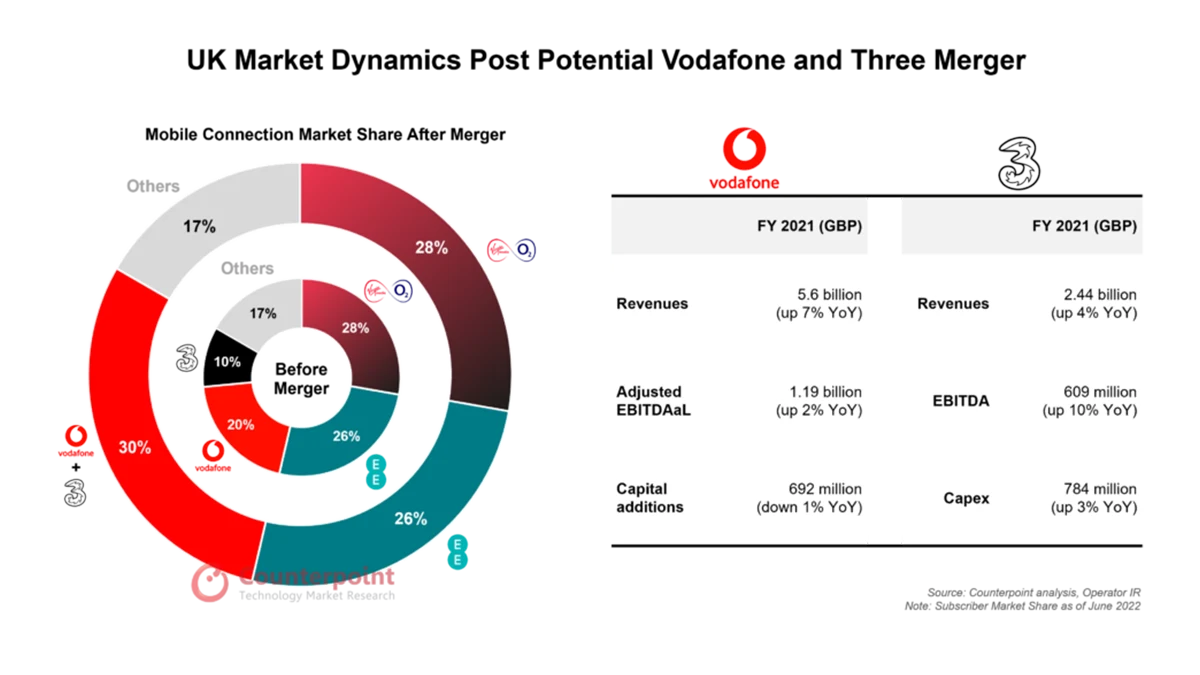
On the other hand, the Vodafone Three merger means a combined market share surpassing EE and Virgin Media O2. Critics fear the creation of a “telecoms cartel”, one with too much power over the industry. Research from Unite lays out the case that reducing competition will cause prices to increase, lead to job cuts within the UK, and empty promises of investment.
Not everyone is celebrating. Critics argue that reducing the number of major mobile operators from four to three risks harming consumers. Fewer players, they say, could make it easier for prices to creep up over time.
Trade unions remain wary of potential job cuts, with reports suggesting up to 1,600 roles may be at risk as the two companies integrate. Security concerns have also been raised because of Hutchison’s base in Hong Kong, although both firms insist that UK laws and regulations will safeguard data and critical infrastructure.
Stephen Lerner, company secretary of Three, asserted that the proposed merger between Three and Vodafone did not include any plans for price increases. He emphasized that this decision is not driven by financial motives and that the companies have no intention of raising prices.
Vodafone further argues that prices will drop if the merger goes ahead, as they can invest more into UK infrastructure and lower the price of internet access. The two firms are currently engaged in discussions with the CMA.
A hearing on October 17th saw members of the UK Parliament engage in a discussion with senior representatives from Three and Vodafone, along with regulatory experts, to delve into the potential ramifications of the proposed merger between the two companies. The central theme of the session revolved around the impact of the merger on competition and consumer interests.
As it stands, there have been no price increases as of the time of writing. Concerned about the rising mobile prices? Learn how to avoid the EE, O2, Vodafone, and Three Price Increase.
These two networks have announced their ambitions to “build one of Europe’s leading 5G networks” and improve customer experience with better choice and value across mobile and broadband services.

All of this should drive growth whilst creating hundreds (if not thousands) of new jobs across the continent, and boost Britain’s role as a tech leader within it. Despite this claim, an estimated 1,600 jobs are expected to be lost in the UK, coupled with Vodafone’s massive 11,000 global job cuts announced prior.
Security is another concern critics often claim could be affected. For example, Vodafone provides data and services to government entities, including the NHS non-emergency helpline. However, Three is not a public sector supplier. This means that CK Group will have access to government information and telecom contracts for the first time.
Also, Three UK’s ownership under Hong Kong-based CK Hutchinson has caused concerns regarding foreign ownership of a prominent national asset.
The CMA and European Commission denied Three’s attempted takeover of O2 in 2016, voicing concerns of increased prices. Three attempted to placate this by offering a 5-year prize freeze for UK consumers, which was declined.
However, we expect to see this strategy re-used during the Vodafone Three merger, which promises £11bn of 5G infrastructure investment over the next decade (provided the deal goes ahead).
Interestingly, Vodafone retains the right to buy out Three’s 49% holding just three years after the deal, provided the firm’s value rises to £16.5 billion.

For mobile users, the effects may take time to become clear. Network integration is a complex process, and while VodafoneThree promises stronger coverage, customers may initially see little change. Over the next few years, the company says it will expand rural access, upgrade masts and bring more households into the 5G fold.
On pricing, there are no immediate rises, but industry experts caution that consolidation often reduces competitive pressure. Regulators will be watching closely to ensure consumers do not lose out.
For businesses, the merger could bring more robust enterprise services, bundled packages, and enhanced reliability. But again, much depends on how effectively the networks are combined.