
Last updated: 08/06/26
Introducing our list of the Top 8 BEST Tablets for Business in 2026. These intuitive business tablets are better than most PCs or laptops and best suited for any role, especially hybrid or remote workers.
Choosing the right business tablet isn’t the same as simply picking one for your home. Whilst screen size and brand might matter the most to some, its important to consider connectivity, security, how easily you can hand the same device to ten or a hundred staff, whether it runs the apps your team actually relies on, and much more. This guide covers the best business tablets you can get in the UK in 2026, grouped by what you need them for rather than by hype.
We supply almost all of these tablets on business contracts every day and talk to the IT managers buying them, so the picks below focus on practical fit: performance for the money, connectivity, manageability across a team, and total cost on contract rather than headline specs alone. If a tablet isn’t the right answer, we’ll say so!
How we choose:
We know there are 4 things that matter more for business than for personal use: real-world performance for typical work apps, connectivity options (Wi-Fi only versus 4G/5G with a SIM), how well the device supports central management/security across a fleet, and value over a typical business contract. We’ve kept this in mind throughout our list of tablets, all chosen from leading manufacturers including Apple, Samsung, Lenovo, and Microsoft.
So, with that out of the way, let’s begin our list of the best tablets for business of 2026:
Overview: Best Tablets for Business
With so many models to choose from, it’s hard to find the very best one for you. As such we’ve compiled 8 of the best business tablets available; ranked for performance, productivity, portability, and much more.
So, let’s get straight into our list of the best tablets for business, starting with our Top #4 overview:
Overview: Best Tablets for Business of 2026
1
iPad Pro 13" (M5)
Best Tablet for Business
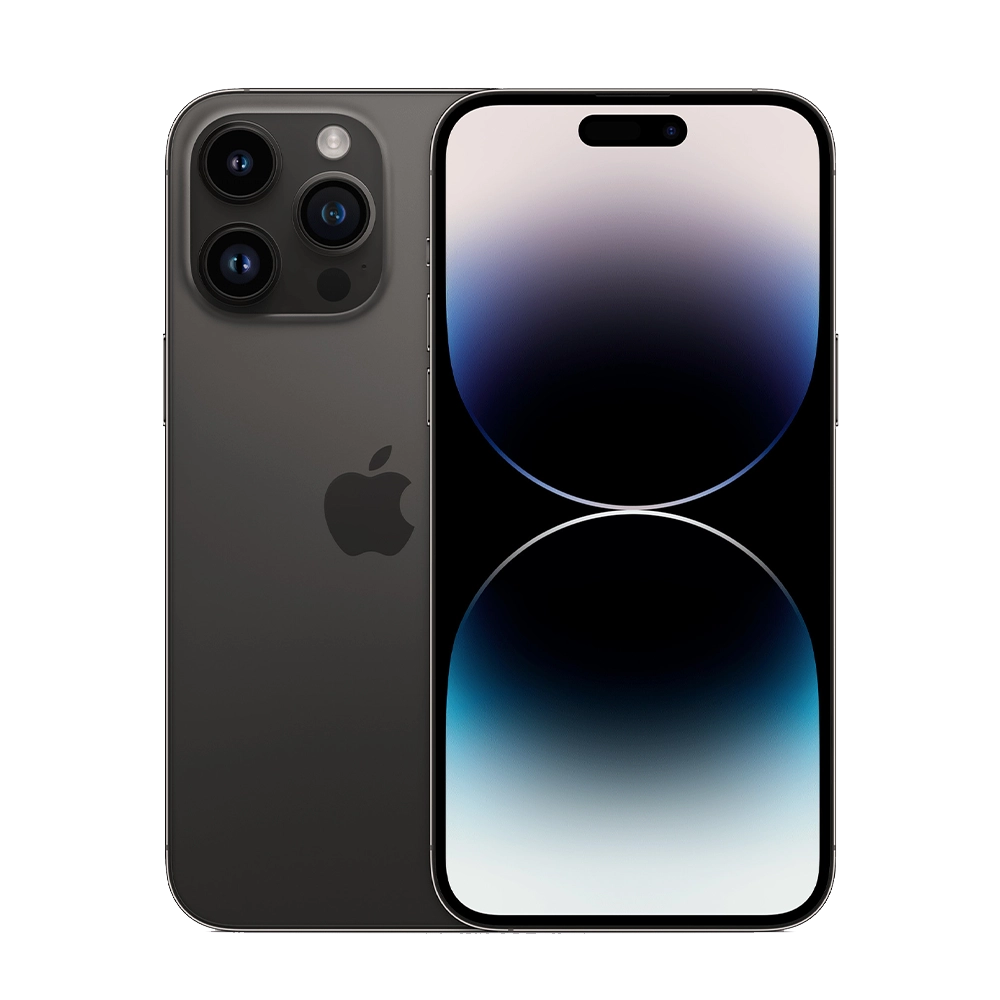
The new 8th-generation Apple iPad Pro 13″ is the most powerful tablet on our list. The M5 chip and OLED display handle demanding creative and technical work, making it a genuinely dependable tool and desktop replacement for senior and specialist staff.
2
iPad Air (M4)
Best for Most Users
The sweet spot for the average employee; near-Pro performance for documents, calls, and everyday work in a lighter, more affordable package. The iPad Air is the obvious choice for a standard rollout.
3
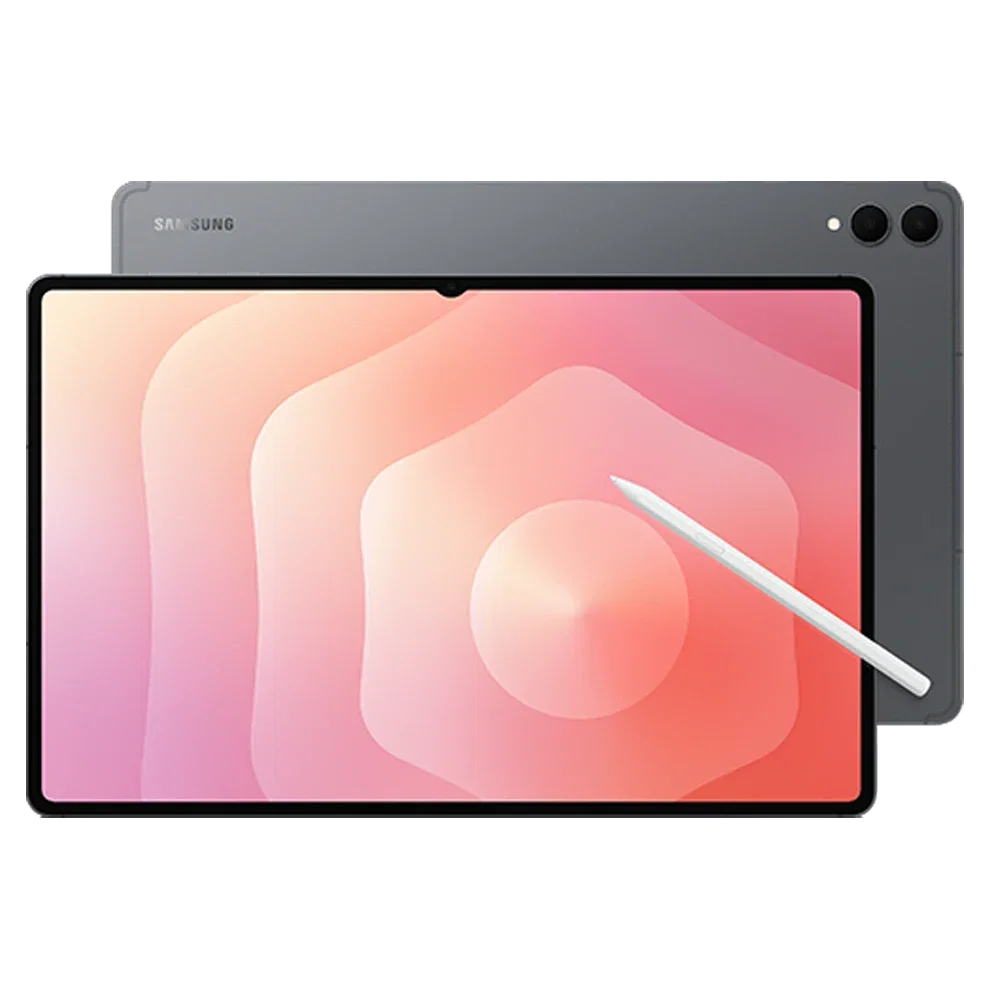
Samsung Galaxy Tab S11 Ultra
Best Android
The Galaxy S11 Ultra is the ultimate Samsung tablet and a VERY close third; full 5G, leading display quality, and advanced hardware, with Knox and Android Enterprise for straightforward fleet management.
4
Microsoft Surface Pro
Best 2-in-1
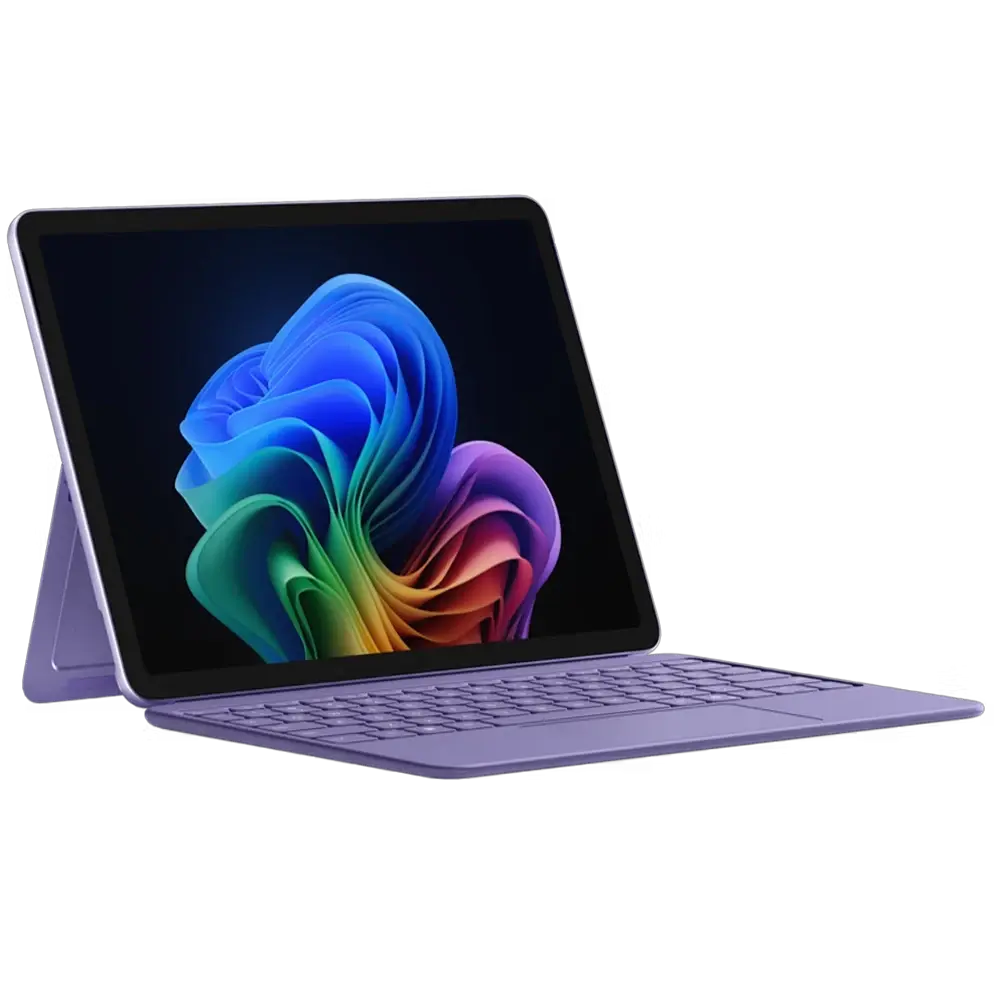
The Surface Pro 12″ is the only pick for those who need full Windows. A true detachable 2-in-1 tablet, running the complete Windows 11 desktop, Office and Windows-only software. A superb all-in-one solution.
Unsure of your requirements? Call us today on 0808 280 3 758 and let our expert team guide you.
Now, let’s jump into our detailed list – find out what the best work tablet is for your business and why, starting with the iPad Pro (2026)…
Top 5+ Best Tablets for Business of 2026
1
8th-Gen iPad Pro (2026)
- Best for:
- Hardware & Performance
- Leading Display quality
- Creative & Technical work
Pros
- Choice of 11" and 13" sizes
- Apple's thinnest iPad to date
- Upgraded tandem OLED display
- Durable + IP68 water-resistant
- iPadOS multitasking
- Fully 5G enabled
Cons
- Expensive
- Not compatible with all accessories
- Very large - not the best for travel
- iPadOS limits potential use as PC
22/10/2025
Release date
Why the 8th-Gen iPad Pro (2026)?
As pioneers of the modern tablet, it’s no wonder that the Apple iPad Pro (8th Generation) is the most capable tablet most businesses can buy. The new M5 chip, introduced in October 2025, handles demanding creative and technical work that would have needed a laptop a few years ago. The vibrant OLED display is excellent for anyone working with images or video, and iPadOS now handles external displays and windowed multitasking far better than it used to.
It suits design, media, engineering and senior staff who want one premium device for everything. However, trade-offs include price, and that iPadOS still is not a full desktop operating system, so check any specialist Windows-only software first. Available in 11″ and 13″, Wi-Fi or 5G.
However, you can easily emulate a desktop setup with the Magic Keyboard. Plus, the Apple Pencil stylus makes drafting up designs and taking notes easier than ever. For the average office user who mostly handles documents, email and calls, that spend is hard to justify, and the iPad Air covers them for less.
Bottom Line
The iPad Pro stands as the pinnacle of Apple’s iPad lineup, offering an impressive combination of size and power. It proves a real laptop alternative for demanding roles, as long as you do not need full Windows and you budget for the keyboard and pencil. For most staff it is more than they need; for power users it is worth every penny.
Need an even larger Samsung alternative? Read on and learn everything about the Samsung Tab S11 Ultra below, after the iPad Air:
2
Apple iPad Air (M4)
- Best for:
- Travel & remote work
- Multiple employees
- Smaller budgets
- Balanced Workloads
Pros
- Choice of 11" and 13" screen sizes
- Compact & portable
- Great power for the price
- Stylus support
- Fully 5G enabled
Cons
- Less features than the iPad Pro
- No Thunderbolt charging
- Camera could be better
- No microSD support
11/03/2026
Release date
Why the iPad Air (M4)?
For the majority of office and hybrid workers, the iPad Air is the sweet spot. The M4 version, refreshed in early 2026, has more than enough power for documents, email, video calls, presentations and light creative work, comes in 11″ and 13″ sizes, and costs noticeably less than the Pro on contract (or bought outright).
Unless your designer is doing heavy creative or technical workloads, the Air gives them almost the whole Pro experience for less. However, what you give up against the Pro is the leading OLED display, and Thunderbolt, none of which the average employee will miss.
What you’re left with is a thin, extremely lightweight, fast tablet that costs noticeably less on contract. That combination is why it is the default recommendation for a standard rollout: it covers almost everyone, and you only step up to the Pro for genuinely demanding creative or technical roles.
Bottom Line
With the rising popularity of hybrid/work from home, we simply have to put the iPad Air on our list as one of the best tablets for business…
It’s simply the right iPad for the majority of staff; offering near-Pro experience, significantly lower cost, and no real compromise for everyday business work. Buy the Pro only if someone specifically needs the extra power or the OLED screen.
In short, the iPad Air is a top pick for any remote worker, digital nomad, or travel-junkie that prioritise both high performance and convenience. Take it with you anywhere – pack all of the power of a laptop into your bag, with plenty of room to spare!
3
Galaxy Tab S11 Ultra
- Best for:
- Large-screen Android
- Design & display quality
- Apps & device compatibility
- Multitasking
Pros
- Massive, top quality screen
- Stylus & keyboard support
- Incredible hardware
- Fully 5G enabled
- IP68 water and dust resistance (rare for tablets)
Cons
- Expensive
- Overkill for a general rollout (the standard S11 is better value)
- Very large - not the best for travel
- Android tablet apps not as good as iPad in some areas.
04/09/2025
Release date
Why the Galaxy Tab S11 Ultra?
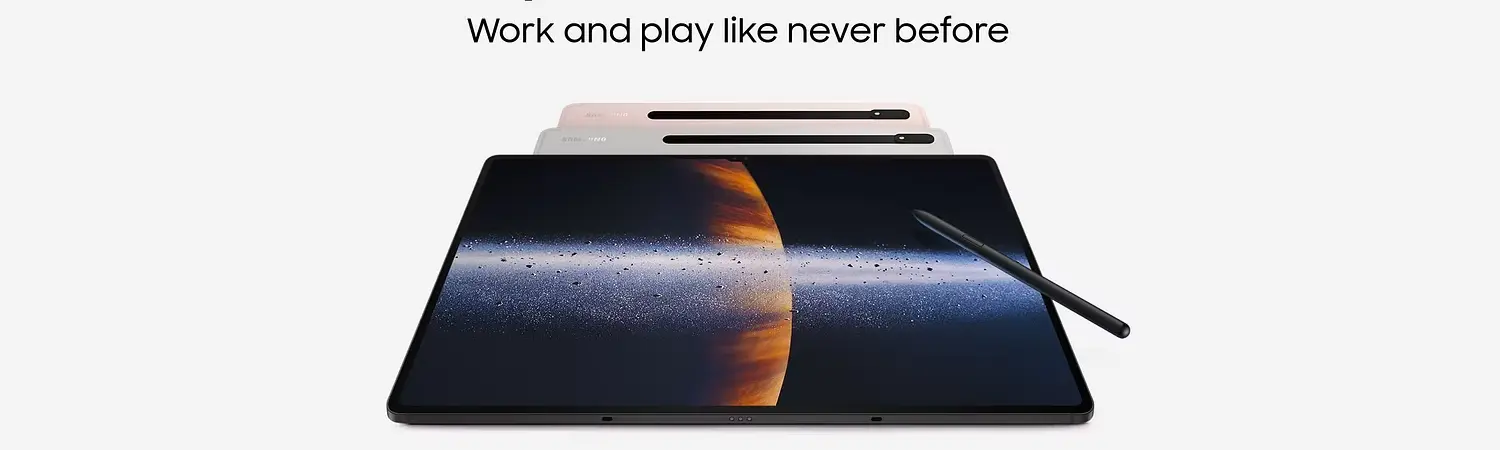
Do your team prefer Android, or want the largest usable screen available on any tablet? The Tab S11 Ultra is the right pick for you. Its 14.6″ AMOLED display is genuinely laptop-replacing for multitasking, the S Pen is included rather than a costly extra and is excellent for note-taking/marking up documents, and Samsung DeX turns the tablet into a desktop-style workspace the moment you connect a keyboard.
For business specifically, Android is often the easier platform to run at scale. Android Enterprise and Samsung Knox give IT strong, granular control over provisioning, security and updates across a fleet, which matters more the more devices you are deploying. With 5G on board, it stays connected away from the office too.
The honest trade-offs are size and price. At 14.6″ it is large to hold for long stretches and sits at the top of the range on cost, so it is aimed at power users, designers and people who genuinely run several apps side by side, not at a general rollout. For most teams the standard Galaxy Tab S11 (11″) is the smarter buy: the same software experience and management, in a lighter and cheaper body, and it is the one we would put in most hands.
Pro Tip – Lower the refresh rate to extend your battery life by ~2 hours.
Bottom Line
The best big-screen Android tablet for business, with the management credentials to match. The hardware & performance offered is a very close rival to the iPad Pro (M5), so there’s no deficit there. Great after-sale coverage and frequent updates. Definitely a bit too big for remote/hybrid workers, the S11 Ultra is better suited to sitting on the desk of your top designer.
Stuck between the S11 and S11 Ultra? Choose the Ultra for power users who want the large display and stylus; choose the standard S11 for everyone else.
4
Microsoft Surface Pro 13” (12th Gen)
- Best for:
- Windows-only software
- Full Desktop Office
- Windows-managed fleets
- All-in one
Pros
- Runs full Windows 11 Pro
- 2-in-1 Tablet / Laptop functionality
- Supports up to three 4K displays
- No separate MDM layer needed (Windows & Intune management)
- Removable SSD
- Fully 5G enabled
Cons
- Keyboard & Pen sold separately
- The bulkiest device on our list
- As a pure handheld tablet, Windows is less polished than iPadOS or Android
- No microSD support
19/05/2026
Release date
Why the Microsoft Surface Pro (12th Gen)?
The 12th Generation Surface Pro is Microsoft’s all-in-one solution for the full Windows experience on a tablet. It’s a genuine 2-in-1 tablet/laptop: a slate with a built-in kickstand and a clip-on keyboard that runs the complete Windows 11 Pro desktop. This means the full desktop versions of Office, Windows-only line-of-business software, and the peripherals and management tools your IT team already runs on PCs.
The current flagship is the 13-inch Surface Pro (12th Gen), released in 2026. It operates as a Copilot+ tablet-PC with a choice of Intel Core Ultra or Snapdragon processors, an optional OLED display, optional 5G and Thunderbolt 4.
It has two main business advantages no iPad or Android tablet can match; it drops straight into a Windows-managed environment through Microsoft Intune and Entra, with no separate mobile-management layer to run. Out of the box, it can genuinely be an employee’s only computer rather than a second device alongside a laptop.
The honest trade-offs: it’s heavier and more expensive than most tablets once you add the keyboard and pen. Current pricing is higher than competitors, and all that extra power means battery life trails the iPad. As a pure handheld tablet experience, Windows is still less polished than iPadOS or Android. Because it’s as much PC as tablet, you will also find it in our business laptops range.
Bottom Line
The right choice when you need full Windows in a tablet form factor, and the natural pick for a Windows-first business. For tablet-first work that only occasionally touches Office, an iPad or Galaxy Tab is lighter, cheaper and simpler.
There are so many reasons why the Surface Pro 12 is one of the best tablets for business in 2026. It’s got the power to handle any task, the security to keep your data safe, and the versatility to work the way you do. From giving a presentation, taking notes in a meeting, or just getting some work done on the go, the Surface Pro 12 is the perfect companion for any company.
5
Apple iPad 11" (A16)
Pros
- Strong performance for the price
- Good for equipping larger teams
- Continued iPadOS support
- Runs the same apps as the Pro/Air, including Microsoft 365 apps
Cons
- Basic display - no OLED
- No Thunderbolt charging
- Not built for heavy creative or technical workloads
- Only compatible with older Apple Pencil
12/03/2025
Release date
Why the standard iPad 11” (A16)
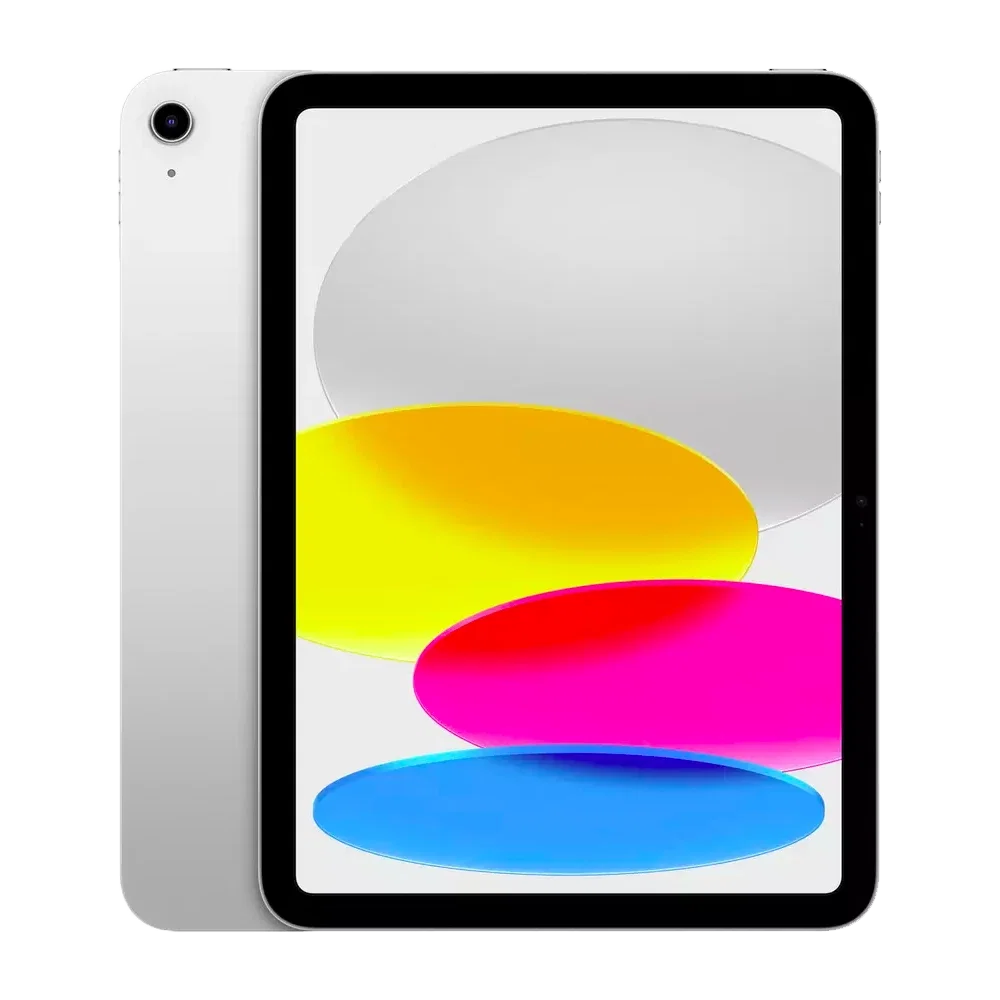
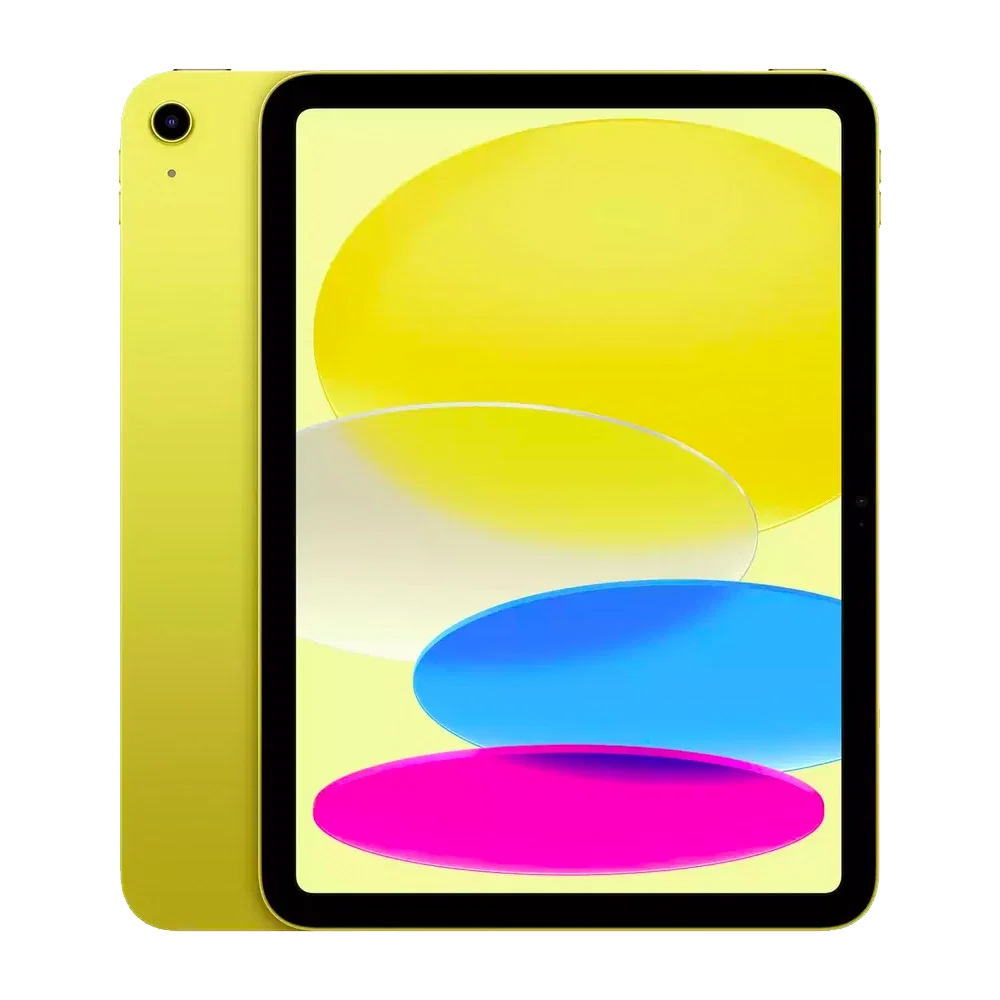
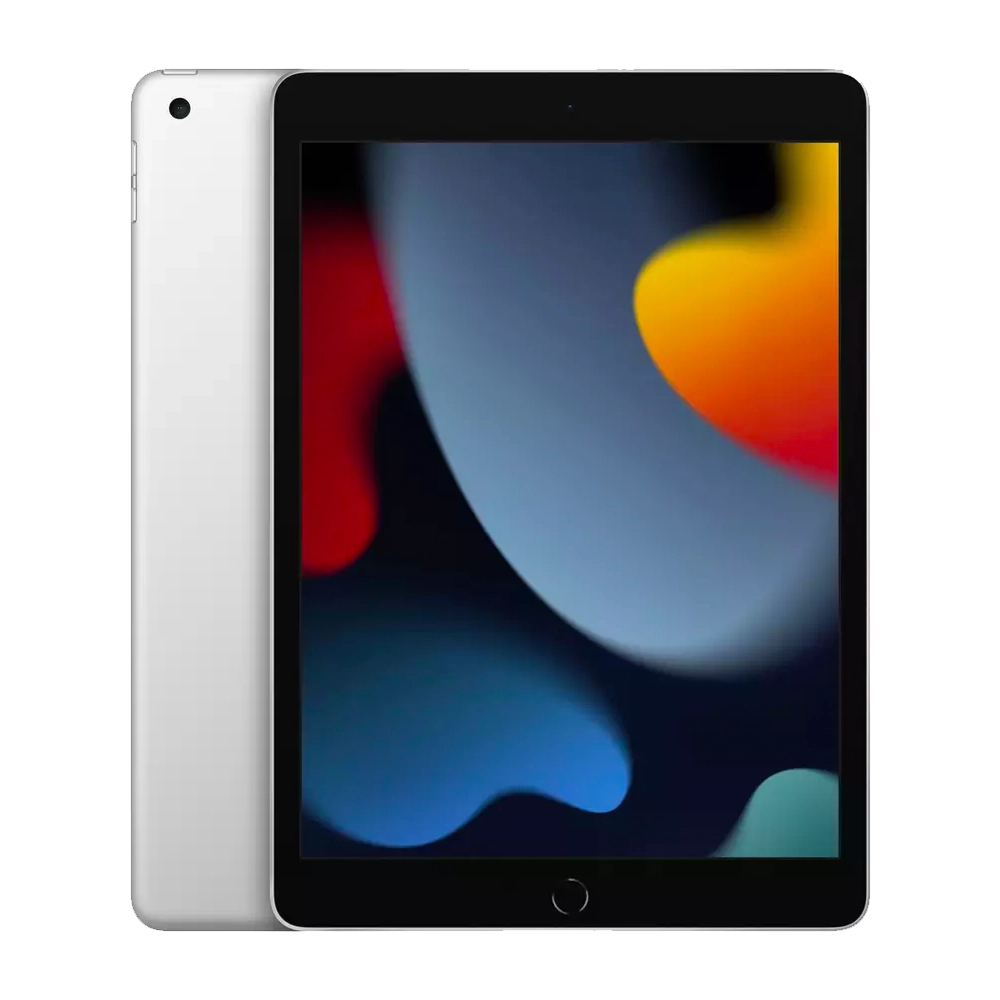
For everyday office work without breaking the bank, the standard iPad (A16) is hard to beat. It runs the same apps as the Pro and Air, including the Microsoft 365 apps (Word, Excel, PowerPoint, Teams and Outlook), weighs very little, and remains the cheapest way into Apple’s ecosystem on contract.
This model easily proves enough for email, documents, video calls and general hybrid work. Also, Apple’s long software-support life means it stays current and secure for years, which is crucial when you’re buying for a team.
However, the 2 main disadvantages over the Air/Pro models are performance and accessory support. It’s still suitable for everyday multitasking, but falls short under heavy creative or technical workloads. It also doesn’t match up to the Air / Pro for the most demanding stylus and keyboard work.
Overall, if you’re after Apple’s reliability and quality without the flagship price, the iPad 11” (A16) is an easy choice.
Bottom Line
The best value choice for Apple iPad users, especially if you’re supplying multiple team members. A lot of our business customers are surprised to discover that the standard iPad still gets the job done, even if it’s a little older.
Get all of the advantages of the Apple suite without committing too much money. If most of your team do ordinary office work and need tablets, the iPad (A16) is a sensible buy without breaking your budget. If you need more performance, go for the iPad Air.
6
Lenovo Idea Tab Pro (Gen 2)
- Best for:
- Big-screen budget Android
- Samsung/iPad alternative
- Document & Media work
Pros
- Large, sharp 13" 3.5K 144Hz display, excellent for the price
- Superb value for money vs competitors
- Stylus included for free
- Massive 10,200 mAh battery
Cons
- Shorter support life than Apple
- Heavier than alternatives
- Wi-Fi only, no 4G/5G option
- Reduced fleet management vs Knox or Apple Business Manager
02/03/2026
Release date
Why the Lenovo Idea Tab Pro (Gen 2)?
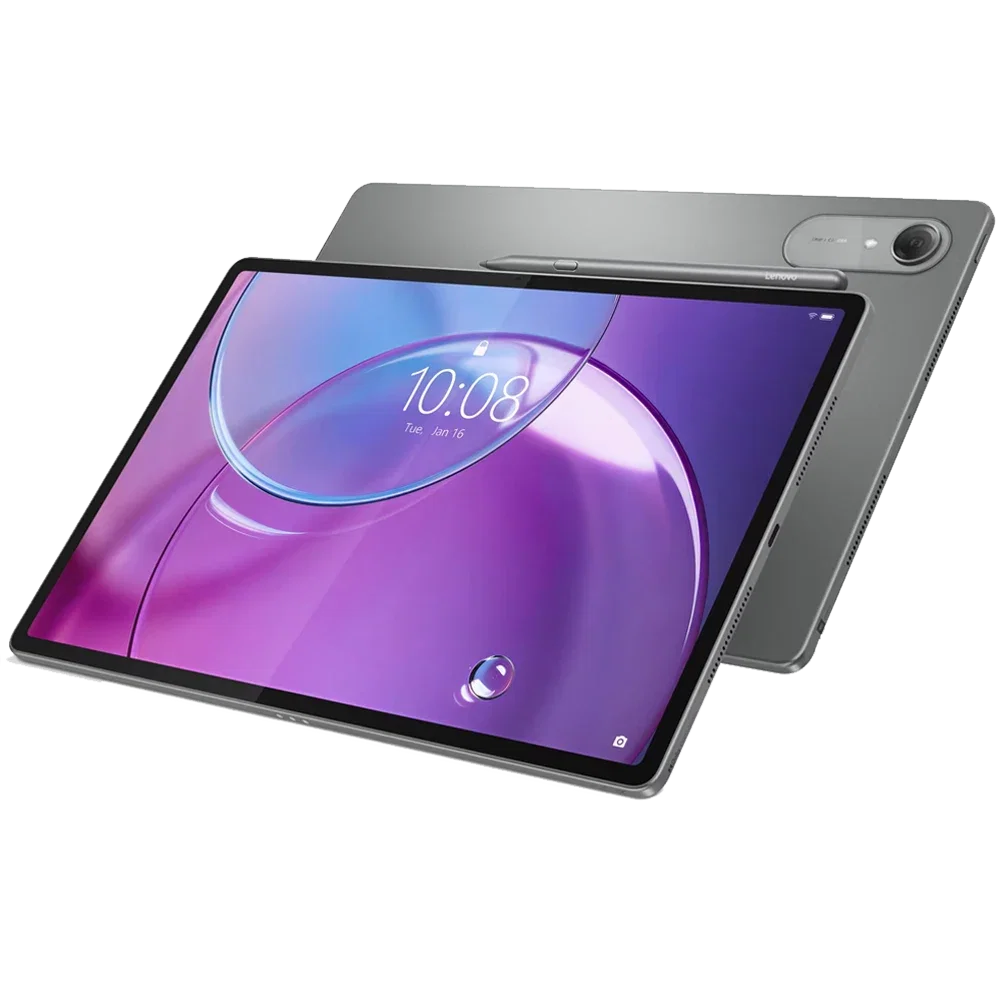
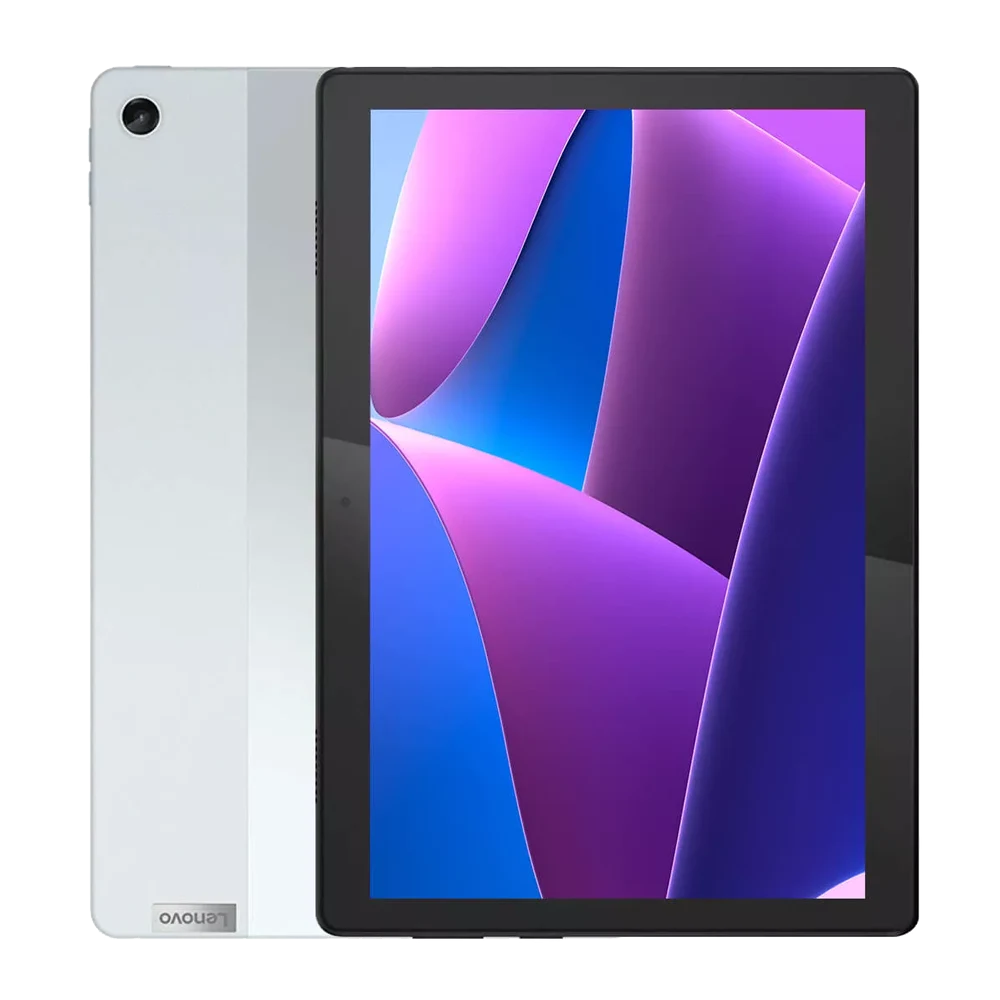
Apple and Samsung may dominate the top of the market, but they’re not the only option! The Lenovo Idea Tab Pro Gen 2 is consistently rated as the best large-screen Android tablet for its price. Utilise an expansive 13-inch 3.5K 144Hz display with a lightweight aluminium build and an integrated stylus for a price well under the flagships… and Apple and Samsung charge extra for the pen!
If you find yourself reading documents, in video calls and presentations, or generally need to work on a big screen, the Idea Tab Pro delivers most of what a flagship does for noticeably less. For a cost-conscious business that wants a large, capable Android tablet without flagship pricing, that value is genuinely compelling.
The trade-off matters for business buyers specifically, so we’ll be straight about it: Lenovo’s long-term software support, while much improved on the Gen 2 (Android upgrades to version 18 and four years of security patches), is still shorter than Apple’s or Samsung’s seven years. A minor concern for personal or lightly-used devices, but for a managed fleet you intend to keep secure for years, it’s a real factor to weigh against the lower price.
Bottom Line
Lenovo tablets always prove a cost-effective yet suitable alternative to Apple and Samsung tablets. Their latest flagship Idea Tab Pro Gen 2 is a value pick for a big Android screen at a price flagships cannot match. It even includes a stylus at no extra cost!
Just be aware that the software-support life is shorter, which matters most for long-lived fleets. Also, the lack of 4G/5G connectivity means you’ll have to stick to WiFi, not recommended for remote workers who often work on the move.
7
Galaxy Tab Active5 Pro
- Best for:
- Tough environments & harsh use
- Warehouse & construction work
- Durability
Pros
- MIL-STD-810H and IP68 rated
- Replaceable battery, ideal for shift work
- Glove-friendly, wet-touch screen and a programmable key
- 5G + Knox/Android Enterprise for managed field fleets
- Expandable storage & long enterprise support
Cons
- Thick & heavy
- Basic TFT display
- Modest performance (Snapdragon 7s Gen 3)
- Overkill for ordinary desk-based use
07/05/2025
Release date
Why the Galaxy Tab Active5 Pro?
The Galaxy Tab Active5 Pro (2025) is the enterprise standard rather than a consumer tablet in a rugged case. It excels in inspections, logistics, warehousing, construction sites, and anywhere a standard tablet wouldn’t last a week. It claims a MIL-STD-810H and IP68 dust and water-resistant rating. And yes, the touchscreen works with gloves AND in the rain.
Plus, a programmable key handles scanning or push-to-talk, and 5G keeps it online out in the field when WiFi is unavailable. What’s more, the battery is fully replaceable, a feature rarely found in modern tablets, so you can use it across shifts without being tied to a charger.
Don’t let its durability trick you into thinking it’s all brawn and no brain; the Active5 Pro is a serious fleet device, not just a tough one. Samsung Knox and Android Enterprise let IT lock it down, manage it remotely and deploy it at scale. Samsung’s enterprise editions even come with extended support and lifecycle commitments, which is crucial when standardising across a workforce.
For all this protection, the trade-off is obvious: the small 8″ screen is basic and lacklustre next to a flagship like the S11, and it’s definitely not optimised for media or design. However, for field and frontline teams, durability and manageability are the point, and on those it’s a clear winner.
Bottom Line
The right tool when the environment, not the spec sheet, is the deciding factor. Easily one of the most durable tablets available on the market. Tough, connected and manageable. An easy pick for any high-intensity users out in extreme working conditions. For desk-based staff, look to the iPad or Galaxy picks above instead.
8
Galaxy Tab A11+
- Best for:
- Budget fleet rollouts
- Frontline & field staff
- Best budget Samsung tablet
Pros
- Highly affordable
- 5G connectivity
- Android Enterprise enabled
- 11" screen + expandable storage
- Long Samsung software support (uncommon at this price)
Cons
- Entry-level performance
- Basic 8MP camera + TFT display
- Not suitable for heavy workloads
- Below average build quality (plastic)
02/11/2025
Release date
Why the Galaxy Tab A11+?
When you need to supply a lot of employees without a flagship budget, the Tab A11+ proves a practical answer. It handles the work most fleet tablets actually do: web apps, forms, scheduling, dashboards, point of sale / video calls, etc. Further supports SIM cards, so frontline and field staff stay online without relying on Wi-Fi. Crucially for a team rollout, it works with Android Enterprise, so it can be provisioned and managed centrally rather than set up by hand one device at a time.
It also carries Samsung’s long software-support commitment, which isn’t typical at this price point. This means your budget fleet stays secure and current for years, rather than needing early replacement. This longevity often makes it better value than a cheaper tablet with a short support life.
Bottom Line
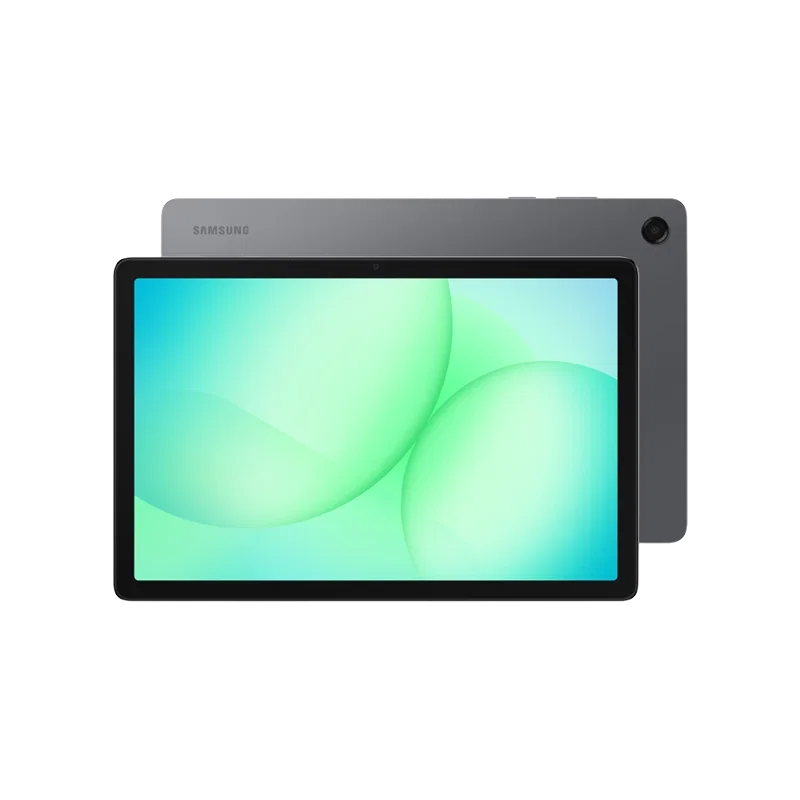
Whilst not packing flagship speed or screen quality, you’ll find the Tab A11+ offers reliable, manageable connectivity at a price that scales, with long term support. It won’t break any records, but it’s reliable and will handle most tasks. At an even lower price, the Lenovo Tab M11 and Idea Tab fill a similar role – ideal for equipping large teams.
Best Tablet for Microsoft Office & Windows work
For most businesses, everything is already set up across the Microsoft suite, which can be a real pain to migrate from. As a result, these two questions come up constantly from our customers when buying tablets for their business, so it’s worth answering both plainly.
Can a tablet run Microsoft Office?
Yes. Both iPad and Galaxy tablets run the Microsoft 365 apps (Word, Excel, PowerPoint, Teams and Outlook), pair with a keyboard and mouse, and handle cloud-based business tools without trouble. These are the mobile versions of the apps, which cover the large majority of office work, creating and editing documents, spreadsheets and presentations, email and calls, but they are not the full desktop builds.
For most users that distinction never bites, and an iPad Air or Galaxy Tab S11 is a comfortable choice for an office-focused role. Note that editing in the Microsoft apps on the larger 13″ tablets needs a Microsoft 365 subscription, which a business team will normally have anyway.
What if you genuinely need Windows?
If you rely on Windows-only desktop software, the full desktop builds of Office (for advanced Excel work such as Power Query and complex macros, for example), or specific peripherals and line-of-business applications, the honest answer is a Windows 2-in-1. That is the Microsoft Surface Pro, our pick above: a detachable that runs full Windows 11 and doubles as a laptop. Because it is a Windows PC first, you will also find it in our business laptops range.
So the rule of thumb: choose an iPad or Galaxy Tab for tablet-first work that happens to include Office, and a Surface Pro when a specific Windows requirement, such as desktop-only Office features or legacy software, makes it necessary.
How to Choose the Best Tablet for your business
So, those are our top picks for the best tablets currently on the market for business users. After thinking over your personal, corporate, and employee needs, it’s time to decide on the best tablet for your business. With all that said…
What should you look for when considering the best tablet for your business or employees?
- Operating system: match what your team already uses and what your apps require.
- Connectivity: Wi-Fi only is fine in the office; choose 4G/5G for field, hybrid and frontline staff.
- Screen size: larger for design and multitasking, smaller and lighter for travel and forms.
- Management: for more than a handful of devices, choose models that support Android Enterprise or Apple Business Manager.
- Total cost on contract: look at the monthly cost with the data you need, not just the headline device price.
- Accessories: factor in keyboards and styluses if staff will type or annotate a lot.
- Form factor: Consider whether you need a traditional tablet or a 2-in-1 device that can also be used as a laptop
- Security: Consider the security features of the tablet, such as fingerprint or facial recognition unlock.
All tablet models on our list have their own unique strengths that make them leaders in their field – from the best business tablet for productivity to the most durable, and everything in between. But before you buy, it’s important to consider all of your needs and intended functions.
Additional Considerations:
- Total number of devices needed.
- Required productivity features.
- Average daily use & demand.
- Essential app & platform integrations.
- Additional uses (camera, video, audio, etc.)
- Wi-Fi / 4G / 5G connectivity.
- Any other integrations.
Once you have assessed all of your needs, you can start shopping for the best tablet for your business. Remember, the ideal option will vary depending on the size of your team, tablets required, expected device use, and other factors.
Still not sure? Contact our team and we’ll guide you towards the best option for you. Otherwise, see our full range of business tablets now!
Choosing by business size
Small business (2 to 10 staff). Pick one or two models so support stays simple. The iPad Air or a Galaxy Tab S11 covers most needs, with the standard iPad a strong value option. See small business mobile plans.
Medium business (10 to 50 staff). Standardise on one or two devices and put them on Android Enterprise or Apple Business Manager from the start, so provisioning and security are centralised rather than ad hoc. See medium business plans.
Corporate (50+ staff). Consistency and central management matter more than picking the single “best” tablet. A standardised fleet on 4G/5G with mobile device management is easier to secure, support and budget for. See corporate mobile solutions.
Why a business contract rather than buying outright?
Buying tablets through a business contract spreads the cost, usually at a lower price than the network direct, and bundles the data you need for 4G/5G models. It also makes adding or upgrading devices across a team straightforward.
If your tablets need to stay connected away from the office, pairing them with a business SIM only deal or a shared data plan keeps the whole fleet online on one account. For how connectivity scales across a fleet, see our guide to SIM fleet management.
FAQs
For most businesses the Apple iPad Air (M4) offers the best balance of capability and value, while the iPad Pro 13" (M5) is the most powerful option for creative and technical work.
On Android, the Galaxy Tab S11 Ultra leads for large-screen multitasking and the standard Galaxy Tab S11 is the better all-rounder. The standard iPad (A16) is the best budget Apple choice.
Some of the best ways to use tablets for business include:
- Productivity: Tablets can be used for a variety of productivity tasks, such as checking email, creating and editing documents, and giving presentations.
- Communication: Tablets can be used for a variety of communication tasks, such as making video calls, sending instant messages, and collaborating on projects.
- Sales and marketing: Tablets can be used for a variety of sales and marketing tasks, such as giving demos, showing product catalogs, and collecting customer feedback.
Here are some tips for keeping your tablet secure for business use:
- Use strong passwords and enable two-factor authentication.
- Keep your tablet's software up to date.
- Install a mobile security app.
- Be careful about what apps you install.
- Be careful about what links you click on.
- Security: Tablets can be more vulnerable to security threats than laptops and desktop computers.
- Battery life: Tablets may not have as long of a battery life as laptops and desktop computers.
- Screen size: Tablets may have smaller screens than laptops and desktop computers, which can make it difficult to work on multiple documents or applications at the same time.
Despite these challenges, tablets can be a valuable tool for businesses of all sizes. By choosing the right device and using it securely, businesses can reap the many benefits that tablets offer.
If you need a device that is compact and portable, and you can get by with a smaller screen size, then a mobile phone may be the best option for you. However, if you need a device with a larger screen size and longer battery life, and you want the ability to use a keyboard and mouse, then a tablet may be the better choice.
Here are some specific examples of how businesses can use mobile phones and tablets:
Mobile phones:
- Salespeople can use mobile phones to stay in touch with customers and prospects, and to close deals on the go.
- Field service workers can use mobile phones to access work orders, track inventory, and communicate with customers and colleagues.
- Customer service representatives can use mobile phones to provide support to customers from anywhere.
Tablets:
- Real estate agents can use tablets to show clients listings and to collect signatures on contracts.
- Teachers can use tablets to deliver lectures, take notes, and grade assignments.
- Doctors can use tablets to review patient records and to consult with other specialists.
Ultimately, the best way to decide which device is right for your business is to consider your specific needs and budget before buying.
Unsure of what mobile model to get? See our list of the 10+ Best Mobile Phones for Business!
Only if they need to stay online away from Wi-Fi. A 4G or 5G model with a business SIM keeps field, hybrid and frontline staff connected anywhere, while Wi-Fi-only models are fine for office use.
A business contract usually costs less per device than buying from the network directly, spreads the cost monthly, bundles data for connected models, and makes it easier to add or upgrade devices across a team.
A rugged, water and dust resistant model with 5G, since these devices are usually away from Wi-Fi and handled roughly. The Samsung Galaxy Tab Active5 Pro is the enterprise standard, with MIL-STD-810H durability, a replaceable battery and glove-friendly touch. You can also filter our range by water-resistant tablets.
For equipping a team affordably, the Samsung Galaxy Tab A11+ is the practical pick: it runs the everyday apps most staff need, supports a SIM for staying connected away from Wi-Fi, and works with Android Enterprise for central management, with Samsung's long software support keeping a budget fleet secure for years.
For an inexpensive big-screen option the Lenovo Idea Tab Pro is excellent value, and for the lowest-cost kiosk or logistics tasks the Lenovo Tab M11 and Idea Tab sit lower still. Buying on a business contract rather than outright spreads the cost and usually works out cheaper per device.
Yes. Both iPad and Android tablets run the full Microsoft 365 apps (Word, Excel, PowerPoint, Teams, Outlook). You only need a Windows device, such as a Surface 2-in-1, if you rely on Windows-only desktop software.