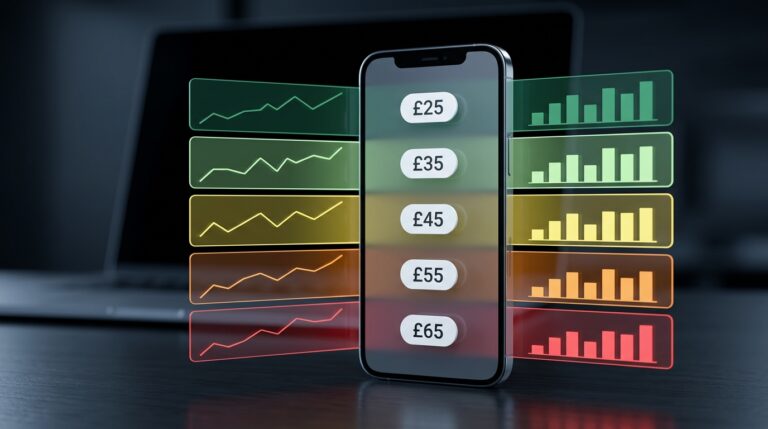
Apple's first folding iPhone has landed. Pre-order the iPhone Duo from £55/month›
iPhone 18 pre-order










Simply put, 5G stands for 5th generation wireless technology. It doesn’t have quite the same ring to it, but it sure does make it clearer. In other words, it is an upgrade from our beloved 4G.
Offering faster data download and upload speeds through greater use of radio spectrum, 5G allows for more devices to access mobile internet at the same time!
But 5G technology is more than simply quicker data downloads for images, movies, and other types of content. The new network is designed to link a vast number of so-called Internet of Things (IoT) devices. These devices are expected to enable the development of smart cities, smart industries, and smart transportation because they will be constantly connected to the network, communicate with one another, and use algorithms based on Artificial Intelligence (AI).

A massively improved network speed is always great, but no use if your phone is slowing you down! Learn why your phone is so slow & how to speed up your mobile here – or continue reading to discover the difference between 4G and 5G:
The UK has led the way in the deployment of 5G, with both larger municipalities and rural regions progressively being connected to this cutting-edge network. In the UK, 5G deployment started in May 2019 and has gradually spread throughout the nation since that moment. Nevertheless, quality connections can be less likely if you move further away from urban areas.

5G UK coverage is expected to grow, however, it will not completely replace the previous generations of mobile network technology. Instead, the new standard is going to become yet another ‘layer’. Once your device loses connection to 5G in the UK, it should automatically switch to 4G. As the 3G network has largely shut off, you will need a 4G compatible device. We believe it’s important to stay ahead of these trends, which is why we’ve created this guide to 5G in the UK.
There’s no need to wear a tinfoil hat around town, since the UK’s 5G network tech is as safe as it can be. What is more, this new standard offers its users a plethora of advantages, especially when compared to the earlier networks. Take a look at some of the most crucial 5G benefits for users based in the United Kingdom:
These are the largest pros for day-to-day users. However, the new network technology offers a lot more. Its implementation is necessary when it comes to creating the so-called smart cities. Thanks to its connectivity to the Internet of Things (IoT), the tech highly improves how separate devices work together in a versatile environment, allowing them to exchange data between one another.
It’s safe to say that the technology of tomorrow is already available today. And, in time, it will become even more widespread throughout the whole nation.

In the UK, 5G is expected to become widely available in the upcoming years. However, availability may vary by area. Most urban areas already have the finest and most robust network infrastructure, while rural regions are still gradually catching up.
Furthermore, the specifics of where 5G is available in the UK, can vary between different network operators. Whether you use EE, Vodafone, Three, O2, or a different service provider, the actual 5G UK coverage might be slightly different.
Need a fixed number for your workplace? Learn how to get a UK business number for free now!
Although 5G coverage is quickly spreading throughout the UK, it is still vital to verify the precise coverage maps that network providers have supplied. You can check this coverage easily on their official websites.
And if you are new to the British network providers, here is a quick recap of the four largest companies on the 5G UK market:
Click on one of the network providers listed above to go directly to their official websites. There you will be able to check the network coverage for UK 5G connection, and also the earlier technology standards (3G and 4G).

The number of smartphones compatible with the 5G network in the UK is constantly growing. With a variety of Samsung, Apple, Google, and Nokia mobile phones to choose from, it might be a challenge to choose the right device. Thus, we recommend taking a closer look at some of the finest 5G mobiles for the UK in 2026. We have decided on the 5 bestselling 5G phones on the UK market right now.
P.S. The order is completely random, as every single smartphone is a great model. The final choice is entirely up to you!
The Galaxy Z Flip 6 represents the next stage in the development of Samsung’s flip phones.
The 3.4-inch Super AMOLED display has a resolution of 720×748 and a maximum brightness of 1600 nits. In practice, this means that the screen is visible in bright sunlight and many functions can be used without opening the flip.

Save 18% off network prices!
The Samsung Galaxy Z Flip6 folds for compact portability but unfolds for a business-friendly experience. With Flex Mode for hands-free video calls and multitasking, plus AI-powered features like Live Translate, it helps you stay productive on the go.
The Galaxy Z Flip6 is powered by a Snapdragon 8 Gen 3 chip, which is a natural progression – previous Flips also used Qualcomm’s best SoC. Combined with 12 GB RAM and UFS 4.0 storage, it’s hard to complain about performance. In everyday use, everything runs smoothly and without any clipping.
The Galaxy Z Flip6 excels in terms of communication. In 5G on C-band, it delivers speeds of more than 1 Gbps and supports VoLTE and Wi-Fi Calling without problems.
Overall, the latest Samsung flip phone is a great addition to its family of smart devices.
The latest version of the fold phone is quite similar to its predecessor, the Z Fold 5 model.
With a refreshed design, Samsung Galaxy Z Fold 6. The smartphone also utilizes a stronger 3.39 GHz processor, i.e. the Qualcomm Snapdragon 8 Gen 3 for Galaxy.

Save 10% off network prices!
The Samsung Galaxy Z Fold6 unfolds business productivity with its expansive tablet-like screen. Run multiple apps simultaneously, view full documents in Microsoft Office Suite, and experience powerful AI features optimized for the large display.
Furthermore, the mobile phone looks exceptionally elegant. The Korean manufacturer has built this device with attention to even the smallest detail. You get two panes of Corning Gorilla Glass Victus 2 and an aluminium frame. The change in the design of the smartphone also lies in the fact that it is now not only water-resistant but to some extent also dust-resistant, meeting the IP48 standard.
In terms of connectivity, the Samsung Galaxy Z Fold6 offers its users the same set of standards as its predecessor. You can connect to the Internet efficiently and quickly via 5G or Wi-Fi 6E, Of course, there is also Bluetooth at your disposal, as well as NFC for contactless payment in shops.
This mobile is one of the UK’s favourites right now.
There are countless reviews and opinions that try to convince us that iPhone 15 Pro is the best smartphone on the market. As a matter of fact, it is one of the bestselling models in the UK this year.
On the outside, this model is quite similar to its predecessors, i.e. the 13 Pro and 14 Pro models. With a titan frame, though, the whole design is a lot sturdier and more robust. However, one should not judge a book by its cover.
The iPhone 15 Pro features a 6.1″ LTPO Super Retina XDR OLED panel with a 120 Hz refresh rate. It has an unusual resolution of 1179×2556, which translates into a pixel density of around 461 PPI.
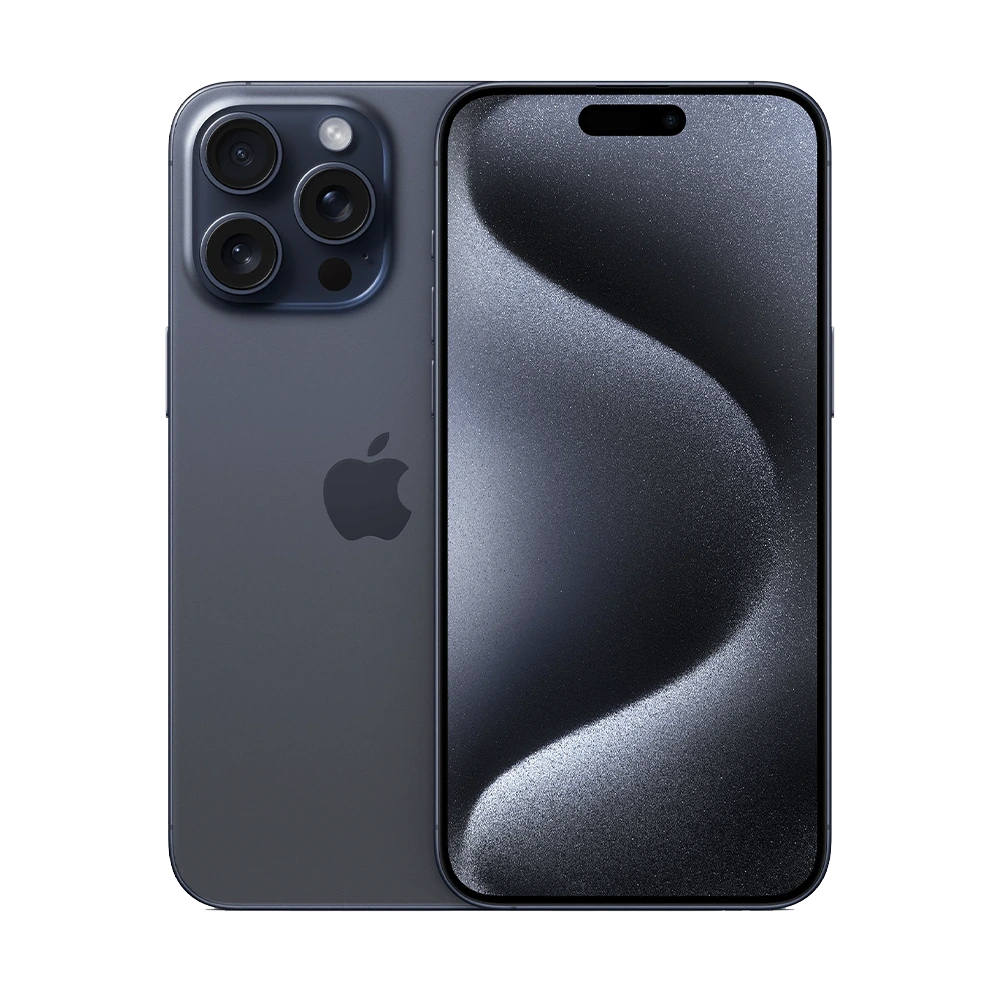
Feel the new iPhone 15 Pro in your hands & save with the best business contract for your needs.
The iPhone 15 Pro features an upgraded 6.1” LLTPO Super Retina XDR OLED display, an 87% screen-to-body ratio, coupled with an incredible 48MP main camera & so much more, all powered by an upgraded Apple A17 Bionic chip. Create your perfect plan now.
At the heart of the iPhone 15 Pro is Apple’s new A17 Pro chip. This six-core unit has been made using 3nm lithography. It features two high-performance cores clocked at 3.78GHz and four energy-efficient 2.11GHz cores. There’s also a six-core Apple GPU, 8GB of RAM, and NVMe internal storage.
If you want performance, quality, and style – go for it; the new Apple iPhone has it all.
If you want to stand out from the crowd, Google Pixel 8a is a fine way to achieve your goals.
This weird-looking mobile almost resembles a children’s toy phone. Especially in its blue cover. It may look funny, but it sure handles itself pretty neatly. The Pixel 8a is 8.9 mm thick, so it is not a very slim device, but combined with the 6.1-inch screen, this results in excellent ergonomics. The smartphone feels great in the hand and it makes you want to use it.
Inside you will find the Tensor G3 chip (4 nm), co-developed by Google and Samsung. The same unit can be found in the Pixel 8 and 8 Pro, so the smaller model is in no way inferior to them. The Tensor G3 consists of nine CPU cores, with the fastest Cortex-X3 accelerating to 3 GHz.

When it comes to UK 5G network compatibility, the model is a very good choice. You can fully enjoy high-speed 5G internet in the C-band. Furthermore, the device also utilizes VoLTE and WiFi Calling technologies for swifter connectivity.
For those looking for an affordable, yet innovative smartphone, this model is the perfect option.
The flagship series of Samsung phones surprises its users year after year. The Samsung Galaxy S24+ is no different from its precursors.
It features a Dynamic AMOLED 2X display measuring 6.7 inches. The S24+ utilizes a QuadHD+ (1440 x 3120 pixels) panel instead of FullHD+, like the Ultra version. The refresh rate ranges up to 120 Hz.
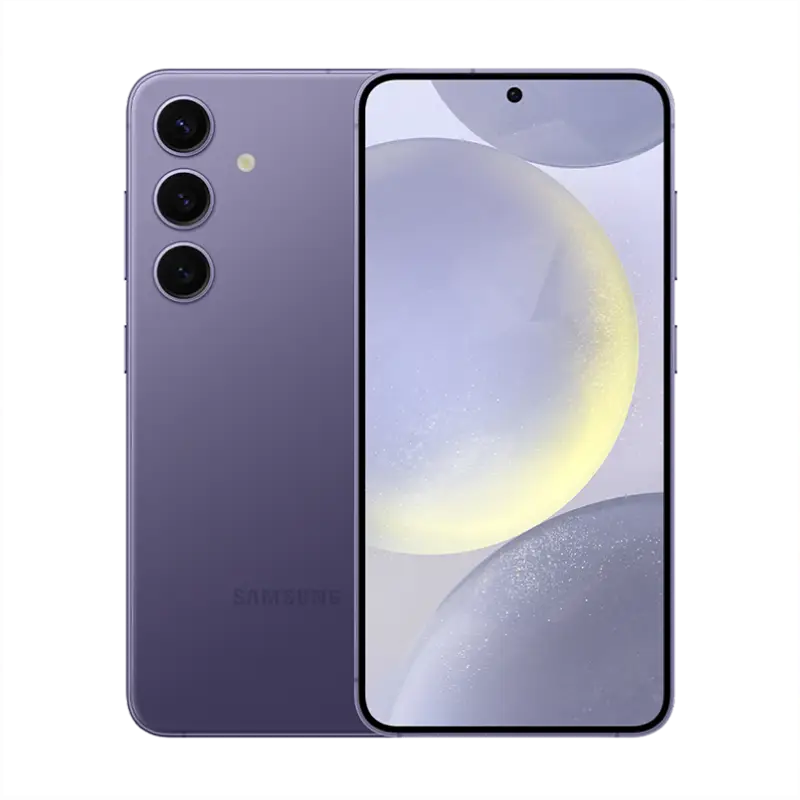
Bring your business into 2024 with the latest Samsung Galaxy S24+. Take advantage of breathtaking 5G, upgraded hardware, extra-long battery life, leading camera quality, and all-new Galaxy AI Features like Note Assist, Generative Edit, Live Translate, and more. The S24+ is more than just a phone; it’s a statement of power, performance, and beauty. It’s the future of mobile performance in your hands. Are you ready to experience it?
Within the phone lies its secret to faster responsiveness. The Exynos 2400, 3,10 GHz processor, together with 12 GB RAM and a 4900 mAh battery makes a difference. If you need even more reliability, then go for the Ultra model, in which you will find a Qualcomm Snapdragon 8 Gen 3 for Galaxy, 3,40 GHz processor.
Overall, the Samsung Galaxy S24+ is a smartphone worth recommending. Want some more suggestions? See our list of the Best Phones for Business of 2026.
Looking for a different device? Find your favourite from our Top 5+ Best Tablets for Business Work now!
Not all 5G is created equally. Like many things in tech, there are different levels to 5G.
Firstly, we have the lower band which is 600MHZ. This one has the furthest range with the signal travelling through walls and buildings and reaching the most people both indoors and outside. It is around 20% faster than your standard 4G and is arguably the most beneficial.
Secondly, we have a medium band of 2.5GHZ. This produces a mid-range signal and is 2-4 times faster than 4G.
Finally, we have the highest band which is a millimetre wave. This is arguably the fastest, however can be easily blocked by even the smallest of things. This signal is affected by rain and even a piece of paper making it quite unreliable.

5G in the UK has been a significant upgrade in terms of speed and latency. How does it compare to the widely accessible 4G network?
In terms of speed:
In terms of latency:
As you can see, 5G UK is far more effective. All you need to do, if you want to gain access to the new network standard, is grab a new 5G phone, and you are good to go!
Let us take you down memory lane with the predecessors of 5G:
Firstly, we have 1G. The first-ever implementation of the mobile network with the delivery of analogue time. 1G supports voice-only calls with a maximum speed of 2.4Kbps.
Then we have 2G, the introduction of a digital voice. This tech introduced call and text encryption, along with SMS, picture messages and MMS. The general speed of 2G was 50Kbps.
3G which is the implementation and mass usage of mobile data. This meant you could use your phone in more data-demanding ways such as video calling and mobile internet access. The maximum speed of 3G was estimated to be around 2 Mbps for non-moving devices and 38Kbps in moving vehicles.
And finally, 4G. An enhancement to the era of mobile broadbands. Released in 2008, 4G supported mobile web access like 3G, as well as gaming services, HD mobile TV, video conferencing, and other features that require high speeds. Max speed of 4G when the device is moving is 100Mbps, and 1Gbps when stationary or walking.