iPhone 18 Pro / Pro Max just landed. Limited stock. Order yours from £46/month >
iPhone 18 pre-order










Ever struggled with a weak signal on your phone or device? That’s exactly why multi network SIMs exist. They do what they say on the tin: use multiple networks. No more being stuck on one network like a regular SIM. Instead, your device hops between networks and connects to whichever one is strongest at the time.
The best part? You don’t have to do a thing. It just works. Unlike roaming SIMs, which are mostly for travelling abroad, multi network SIMs are designed for everyday use in the UK. No extra charges, no fiddling with settings. Your device just stays online.
Some multi network SIMs can even be your primary SIM. That means you can make calls, send texts, and browse like normal. Just be aware, most charge by the megabyte, so heavy daily use can get expensive pretty quickly.
A multi network SIM comes with the credentials it needs to access multiple networks. When your device powers on, it scans the area and connects to the network with the best signal. If that network suddenly weakens, it jumps to another automatically.
In the UK, not every multi network SIM uses every network out there. Many support the big four: EE, O2, Three, and Vodafone. Some SIMs are “steered,” meaning they stick to one main network and only switch if that network fails. Others are “unsteered,” hopping to whichever network has the strongest signal until it drops.
Think of it like a traveller who always finds the quickest route without asking for directions. You barely notice it switching, your device just keeps going.
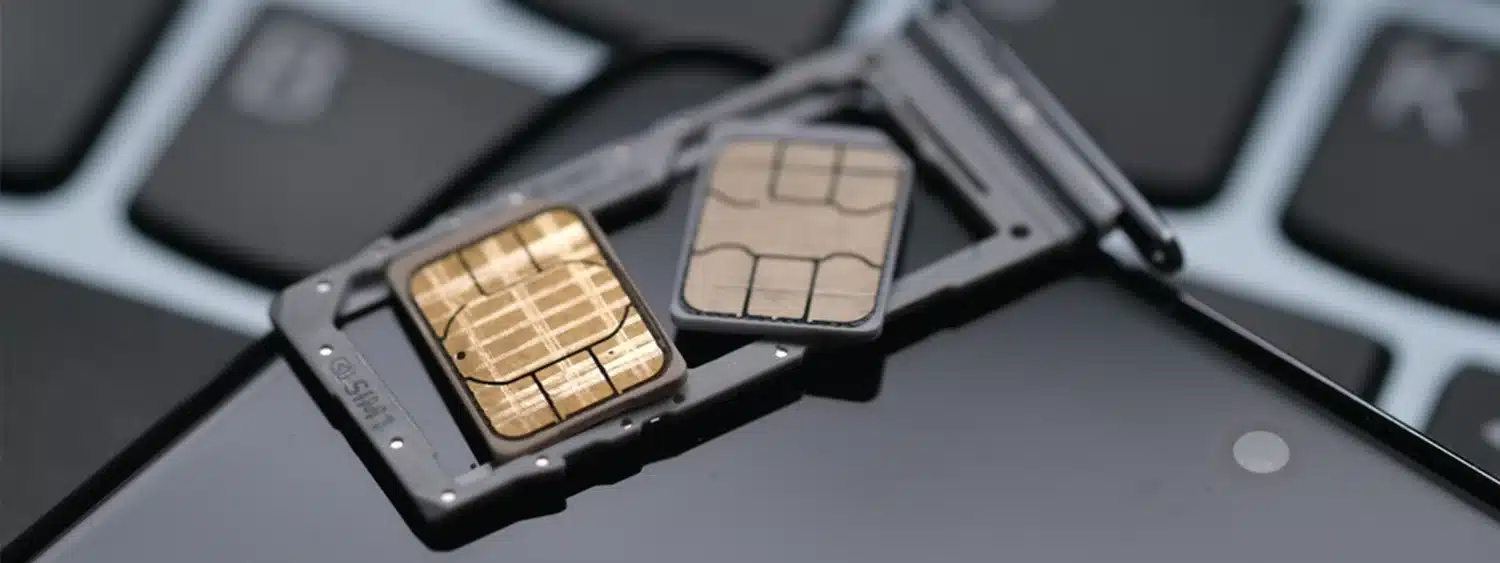
Looking to upgrade? Shop our full range of business SIM only deals now.
Coverage is the main reason people and businesses love multi network SIMs. No single network covers everything perfectly. One might be brilliant in the city but useless on country roads. Another might work fine on motorways but struggle inside offices. A multi network SIM just connects to whatever works.
They’re particularly handy for devices that really shouldn’t go offline. Alarms, security cameras, payment terminals, tracking devices, even a short outage can be a nightmare. Multi network SIMs make that far less likely.
Network congestion can also be a problem, especially in busy UK areas. You might have a connection but still experience painfully slow speeds. Multi network SIMs help by giving you a chance to switch networks and stay in a decent connection.
IoT devices have their own challenges. They often run for years without anyone checking in. They might be scattered across remote locations, tucked into vehicles, or hidden inside machinery. Picking the right SIM is crucial.

Some SIMs only switch when the signal completely drops. That might be fine for your phone, but IoT devices like sensors or trackers need to stay online constantly. The best IoT SIMs watch signal strength, congestion, and stability, and switch to the most reliable network before a connection is lost.
This “pre-emptive switching” keeps alarms, GPS trackers, and other sensors online without you noticing.
Most IoT devices don’t need much data. A temperature sensor might send a tiny update once an hour. A GPS tracker might send a few small bursts each day. Paying for a full monthly plan for each device would be overkill.
IoT SIMs usually offer smaller plans, pay-as-you-go options, or shared data across multiple devices. This keeps costs down, especially for larger deployments.
Not all IoT devices are shiny and new. Some rely on older 2G or 3G networks, while newer devices might need 4G or 5G. A good IoT SIM works across all generations, future-proofing your deployment.
IoT devices are often exposed to public networks, which makes them vulnerable. Strong IoT SIMs include private networks, encrypted traffic, VPN support, and rules about which servers devices can communicate with. This helps prevent tampering and keeps data safe, critical for healthcare, finance, logistics, and utilities.
IoT devices can be tough on SIMs. They might live inside machines, vehicles, or outdoor cabinets exposed to vibration, heat, or cold. IoT SIMs are built to survive. Fewer failures mean fewer maintenance visits, and that saves time and money.
Still interested in the IoT? Learn all about M2M vs IoT here.
Not all multi network SIMs work internationally. Some are UK-only, which means you’d need a different SIM abroad or face high roaming charges.
Some modern multi network SIMs let you travel without worrying about massive bills. They work in many countries and keep you connected to essential apps for a reasonable monthly fee, perfect for holidays or business trips.
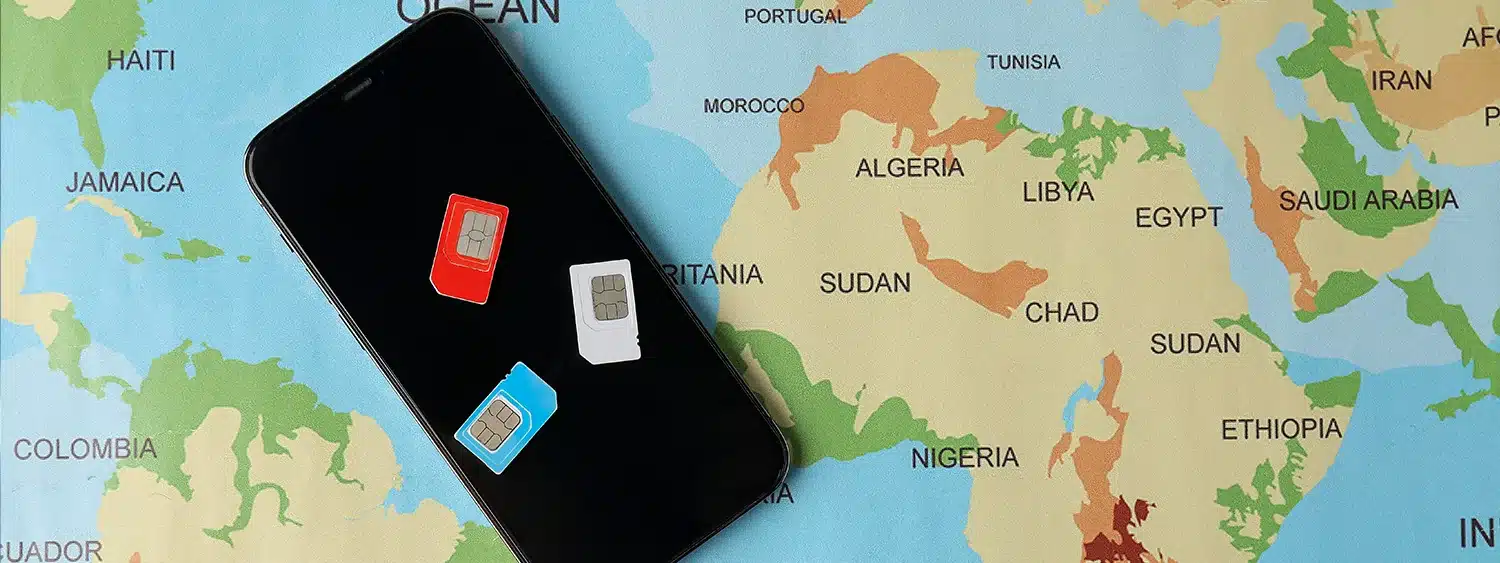
A multi network SIM keeps you connected across multiple networks in your own country, making it perfect for everyday use. Some can work abroad, but that’s not their main purpose.
An international SIM is built for travelling. It connects to networks in different countries, helping you avoid roaming charges, but it’s not usually optimised for daily domestic use.
In short: multi network SIMs are best for home and local coverage, while international SIMs are ideal for travel.
Using a multi network SIM as a full-time SIM can get pricey. Many charge by the megabyte, so if a provider charges 10p per MB, an average month’s data could cost hundreds of pounds. That’s why most people use them as a backup for poor signal situations, for IoT, or when travelling abroad.
A multi network SIM is a simple solution to a common problem: staying connected. For businesses, it keeps devices online, for IoT, it’s often essential, and for travellers, it avoids high roaming charges.
The best multi network SIMs monitor signals intelligently, support multiple networks, include security features, and offer flexible pricing. With the right SIM, devices can run reliably for years with very little attention.
In short, multi network SIMs make life easier for people, businesses, and machines alike.